Peak bench

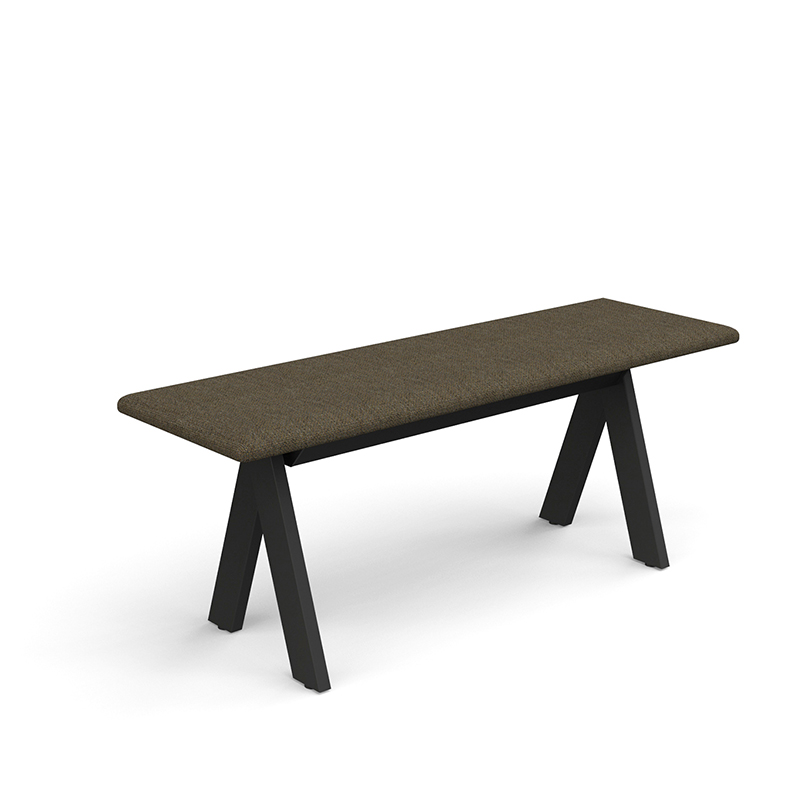
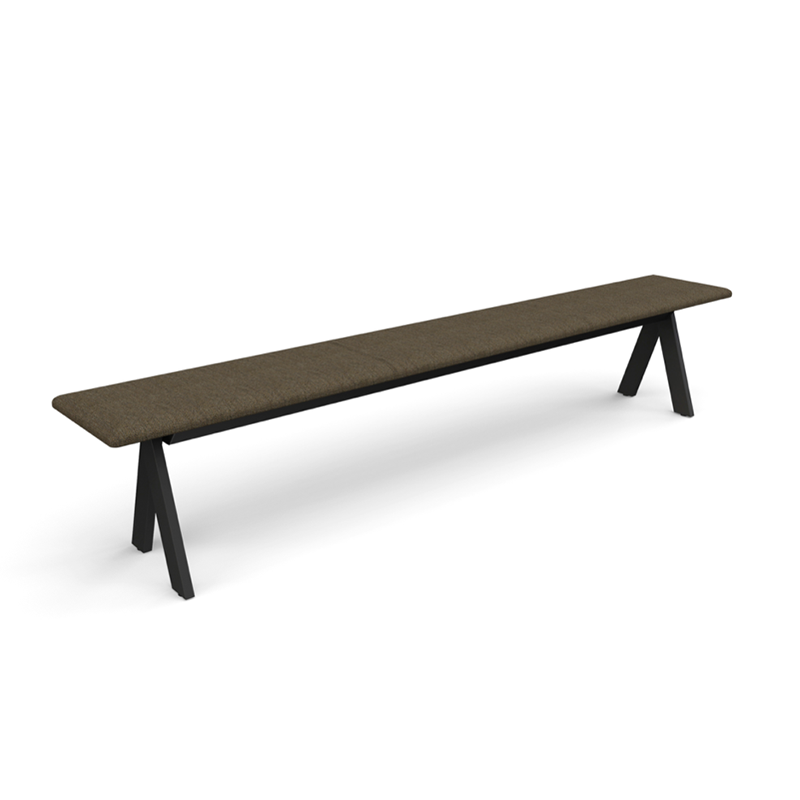
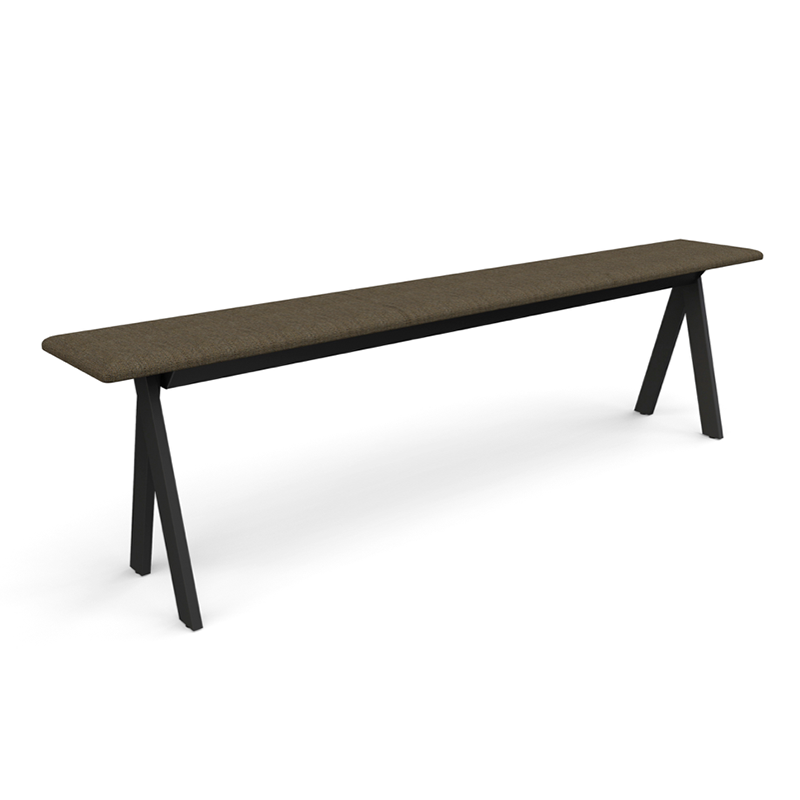
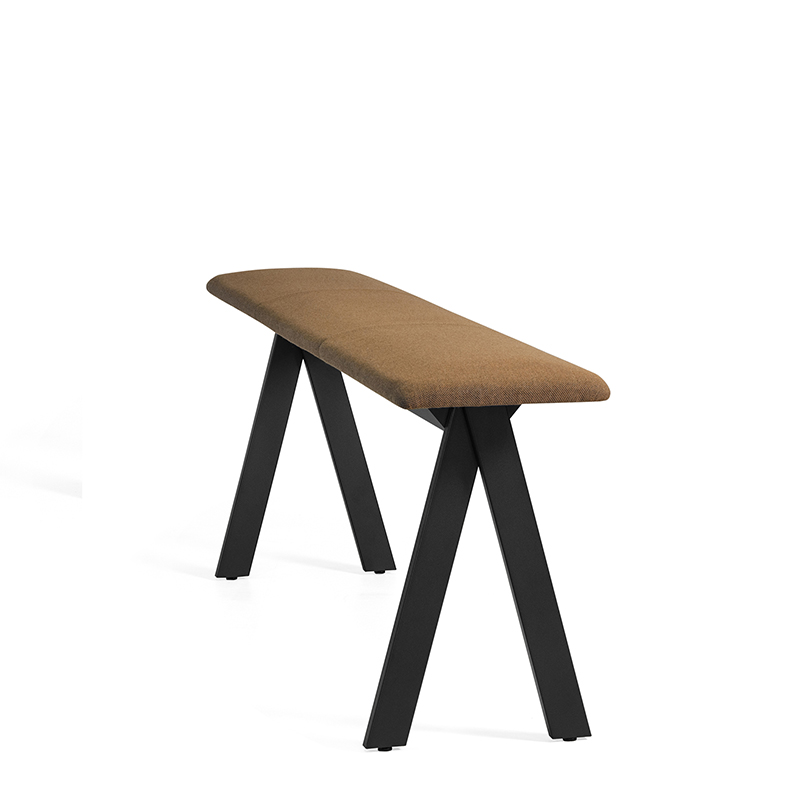
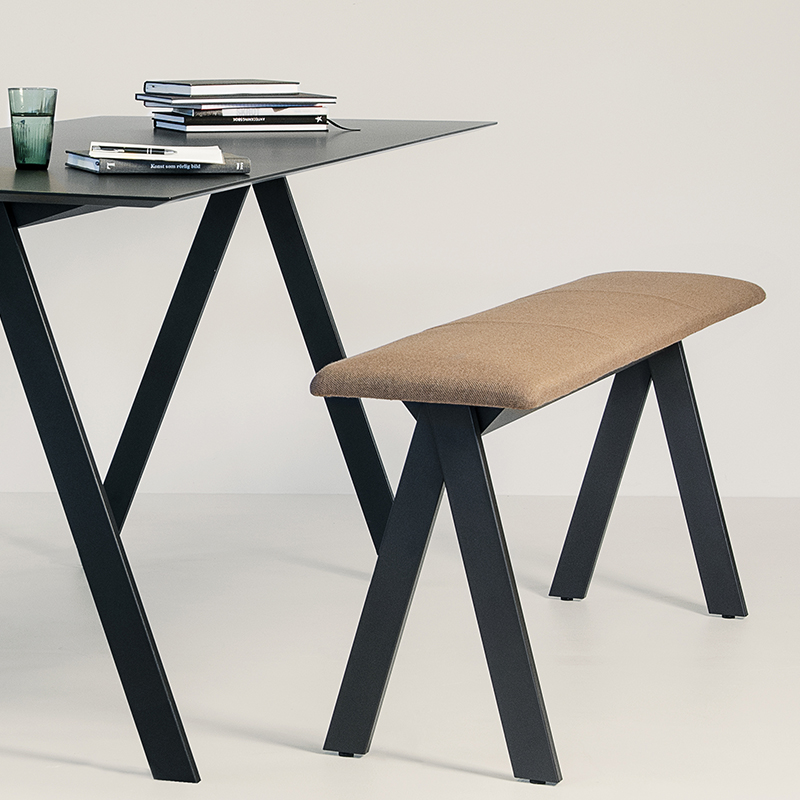
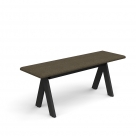
Peak Bench extends the distinctive architectural language of the Peak table collection into a coordinating bench. The characteristic steel base, with its angled legs meeting beneath the seat, gives the bench a strong graphic expression while maintaining a light and simple profile.

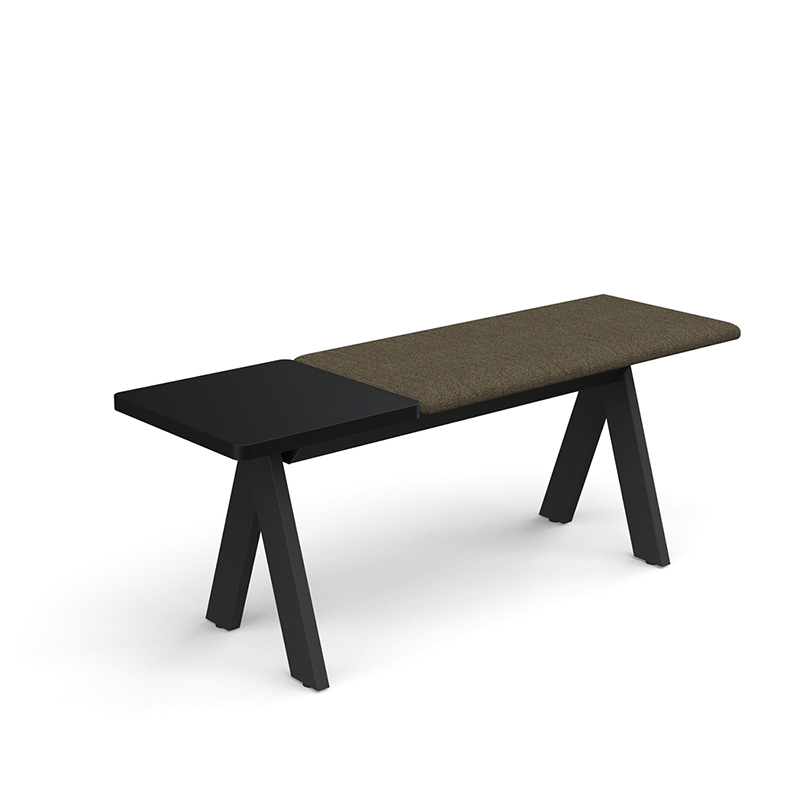
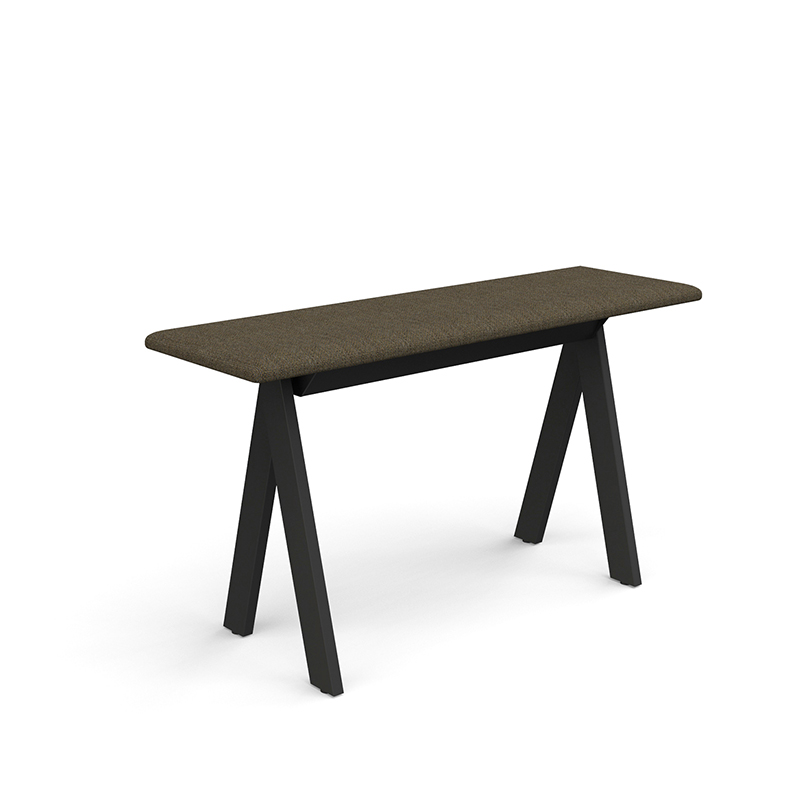
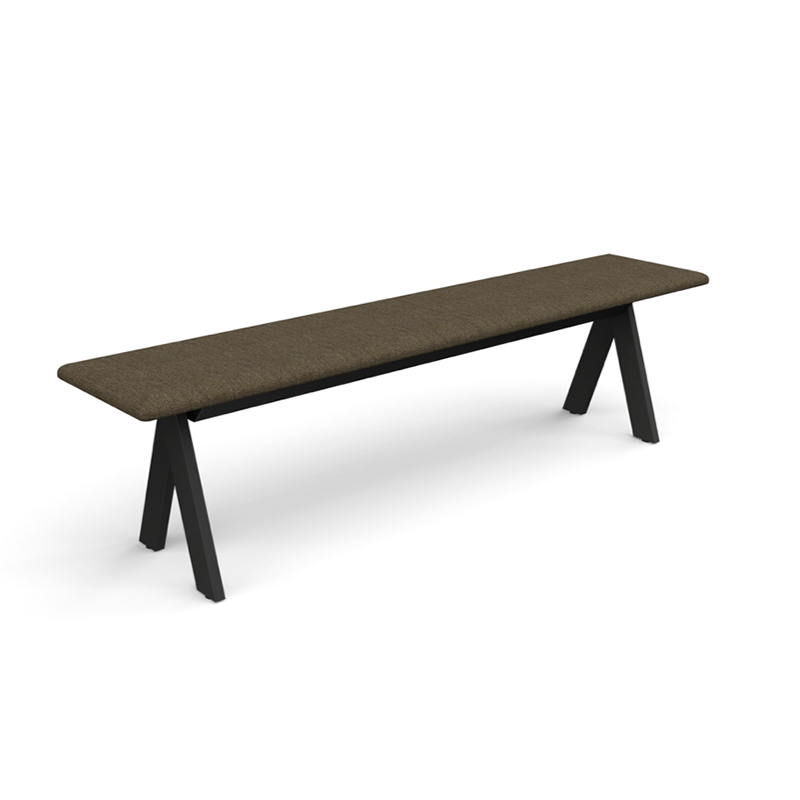
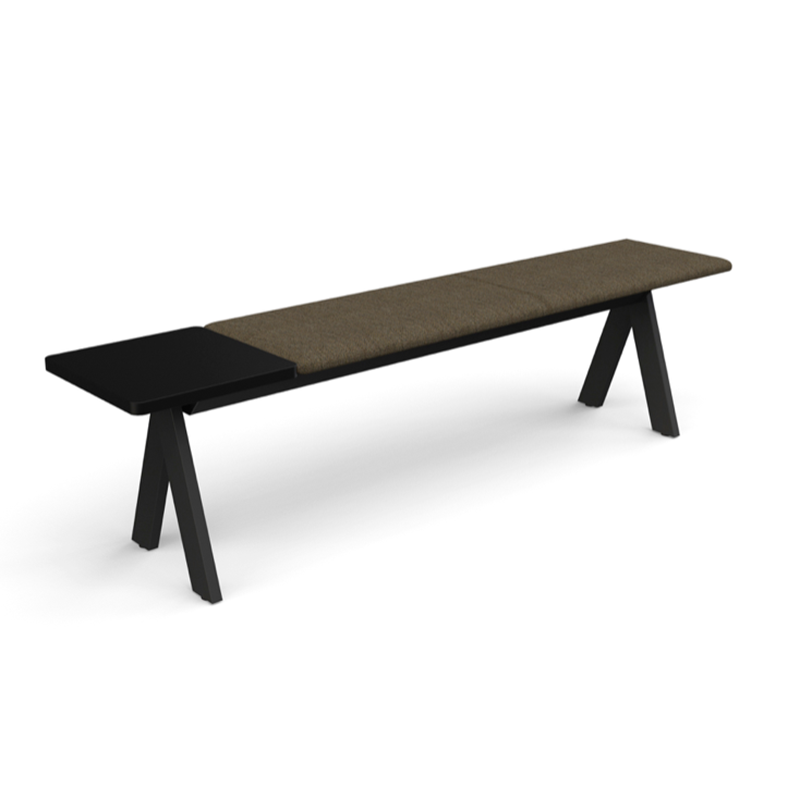
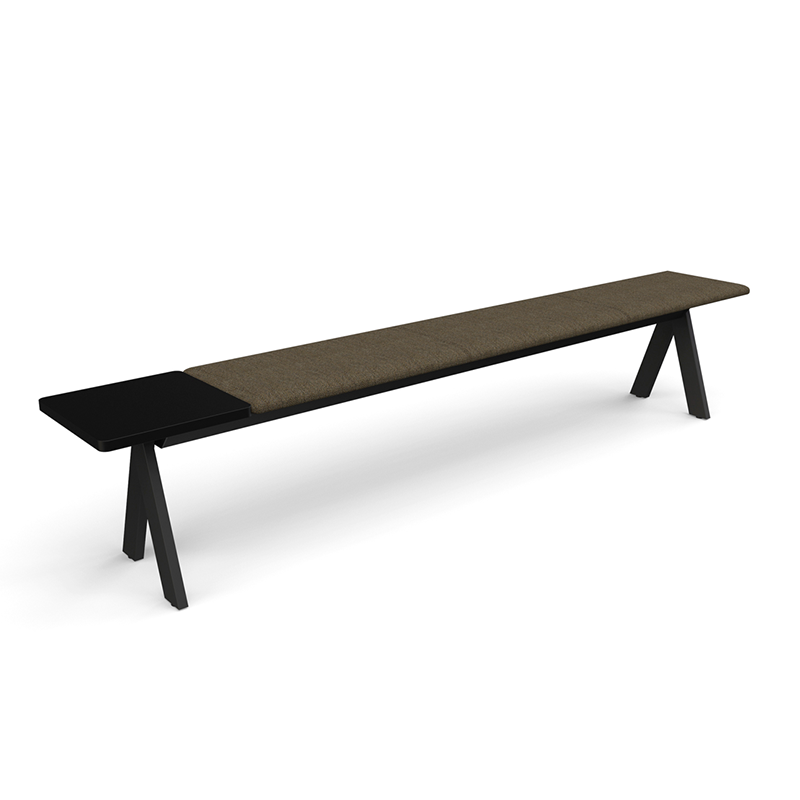
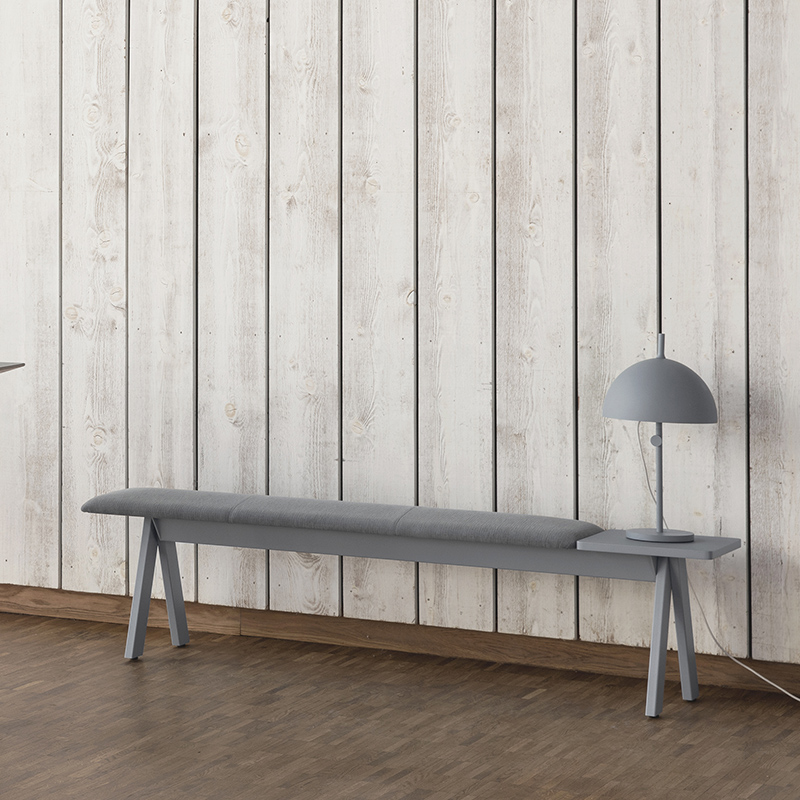
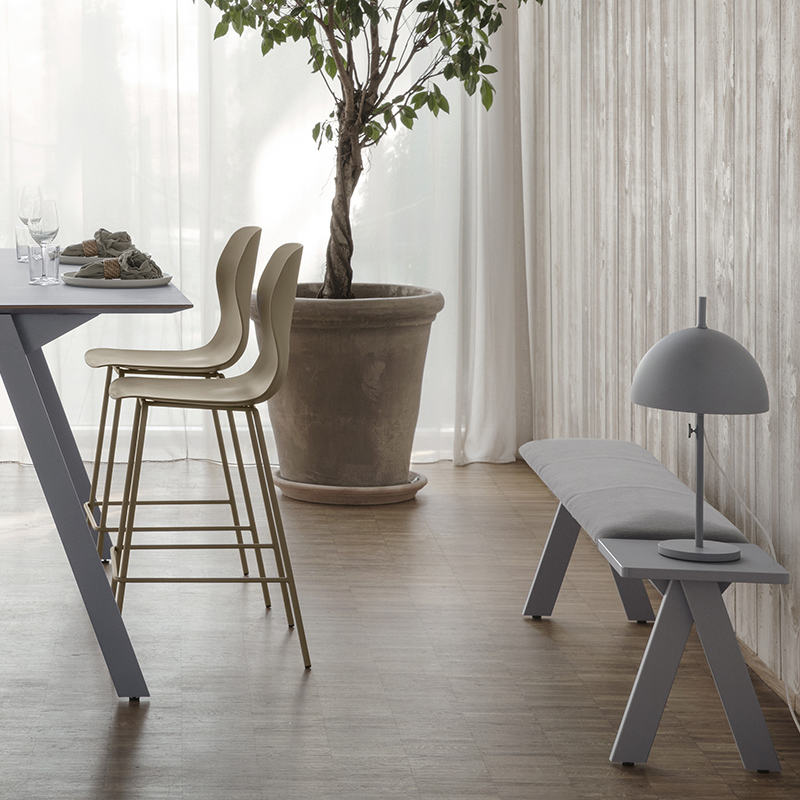
Available in three lengths and two heights, Peak Bench can be used alongside dining, meeting and counter-height tables or as a standalone bench in workplace, hospitality and residential settings. The 46 cm version is also available with an integrated table surface, creating a practical place for a laptop, coffee or personal belongings.

Peak Bench is available in 120, 180 and 240 cm lengths, in either 46 cm seating height or 65 cm counter height, with the 46 cm version also offered with an integrated table section

Availabilty : Made to order. 18 weeks

details

designer country of origin warranty
Böttcher & Kayser Sweden

dimensions

Peak Bench 46 - Standard seating-height bench available in three lengths.

Peak Bench 46-120: W 120 × D 35 × H 46 cm; seat depth 34 cm.
Peak Bench 46-180: W 180 × D 35 × H 46 cm; seat depth 34 cm.
Peak Bench 46-240: W 240 × D 35 × H 46 cm; seat depth 34 cm.

Peak Bench 46 with integrated table - The 46 cm bench can also be specified with an integrated table section positioned within the bench surface.

Peak Bench 46-120 Table: W 120 × D 35 × H 46 cm; seating section approx. 83 cm.
Peak Bench 46-180 Table: W 180 × D 35 × H 46 cm; seating section approx. 143 cm.
Peak Bench 46-240 Table: W 240 × D 35 × H 46 cm; seating section approx. 203 cm.

Peak Bench 65 - The taller Peak Bench 65 is designed for counter-height settings and is available in the same three lengths.

Peak Bench 65-120: W 120 × D 39 × H 65 cm; seat depth 34 cm.
Peak Bench 65-180: W 180 × D 39 × H 65 cm; seat depth 34 cm.
Peak Bench 65-240: W 240 × D 39 × H 65 cm; seat depth 34 cm.

material

Metal colours and finishes

Steel frames and metal details are available in 399 finishes as standard:

192 solid RAL colours with a gloss finish
192 Structure RAL colours with a matte, lightly textured finish
15 pearl RAL finishes

Surface finishes

Peak is offered with two main edge profiles.

Basic: straight 25 mm edge, available in white or black laminate, Forbo Desktop finishes including Nero, Mauve, Ash, Smokey Blue, Conifer, Olive and Mushroom, plus Kvadrat Really Cotton Cream and Cotton White.

Discus: chamfered 25 mm MDF edge available in a broad range of laminates and veneers including oak, birch, ash, walnut and wenge, clear lacquered veneers, black- and white-stained oak and ash, together with selected Formica, Abet Laminati and Fenix NTM finishes.

Customised surface solutions are also available beyond the standard range of veneer, laminate, stain and lacquer colours.

Materials and sustainability

The Peak steel frame contains 20–50% recycled Swedish steel. All steel components are recyclable, and the electrostatic epoxy powder-coating process is designed to minimise waste. Plastic gliders are fitted beneath each leg.

downloads

returns

We do not offer a satisfaction guarantee. Please select your products carefully.

If a product is faulty it will be replaced by an identical product. Please refer to individual manufacturers for warranty periods.

For more information please download our terms and conditions

Böttcher & Kayser

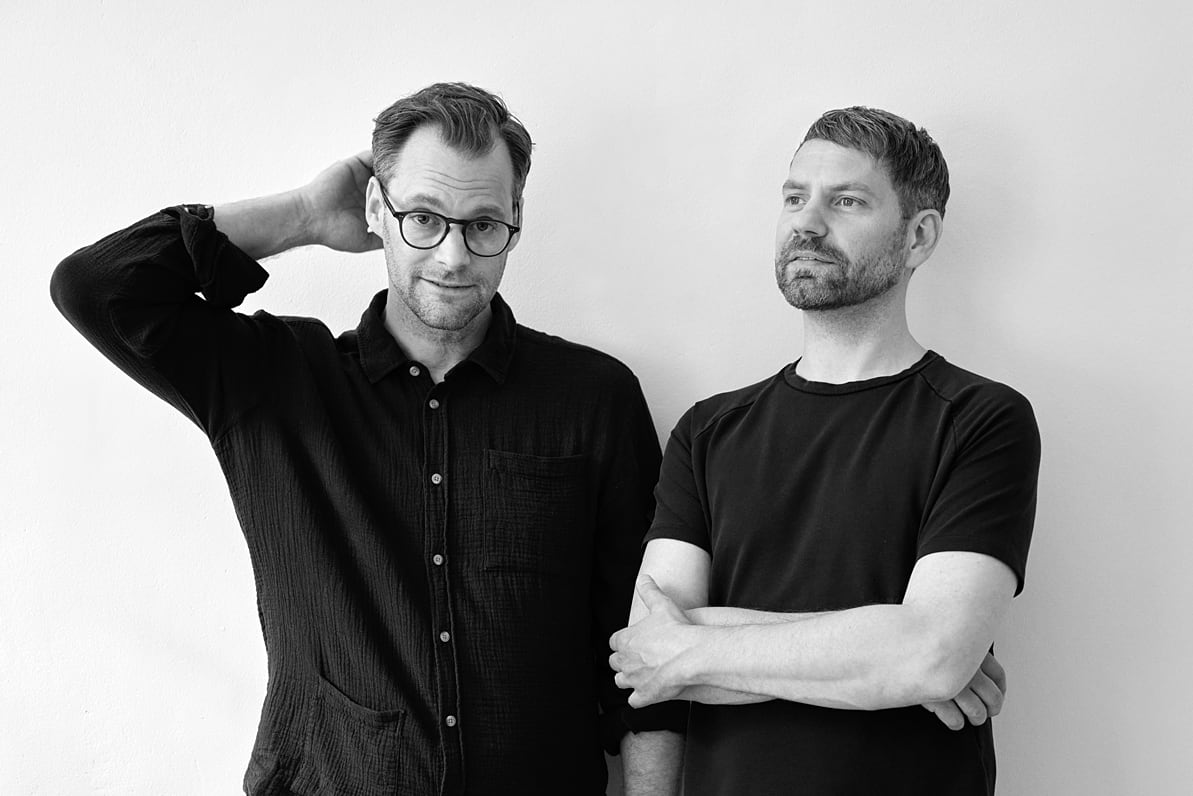
Böttcher and Kayser is a Berlin-based studio founded in 2007, working in the fields of consumer product, furniture, lighting and interior design. Moritz Böttcher and Nikolaus Kayser have been rewarded with several prestigious awards such as the Interior Innovation Award, several iF Design Awards and numerous Red Dot Awards – including the award‚ Best of the Best’ in 2013. Their projects have been published in books and magazines around the world.


‘Design means everyday culture. It helps us to enjoy and simplify life. We are fascinated by the process that starts with an idea, becomes substance and hopefully results in a long and pleasurable use for its qualities. That’s how we understand reasonability and sustainability.’