
MZO Barstool

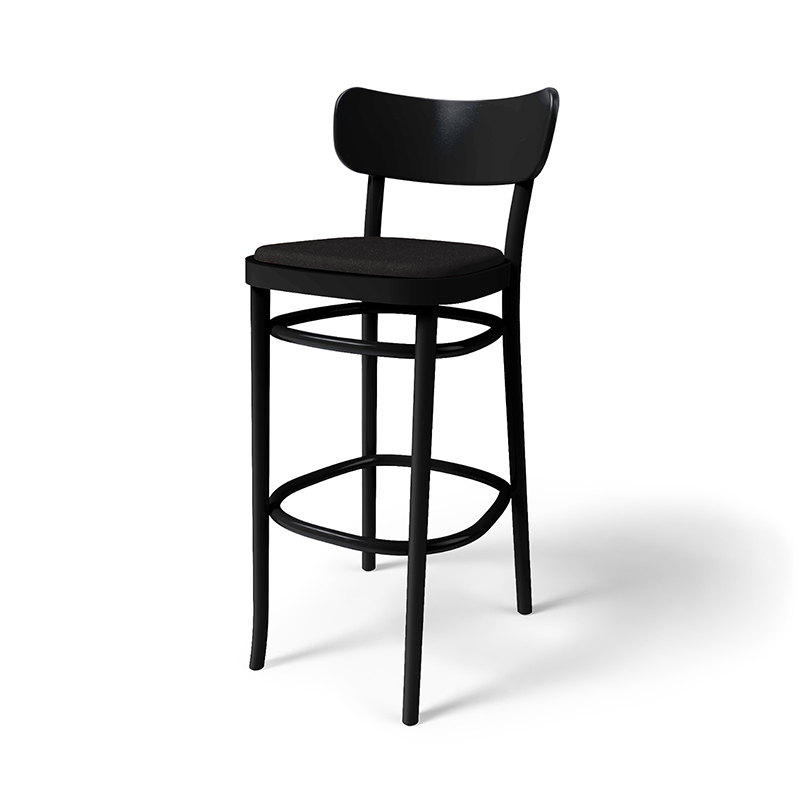
Originally designed in 1931 by Danish architect and designer Magnus Læssøe Stephensen, the MZO Bar Stool is a refined expression of Scandinavian functionalism. Combining elegant proportions with exceptional craftsmanship, the design draws inspiration from traditional bentwood furniture, reinterpreted with a distinctly modern sensibility.

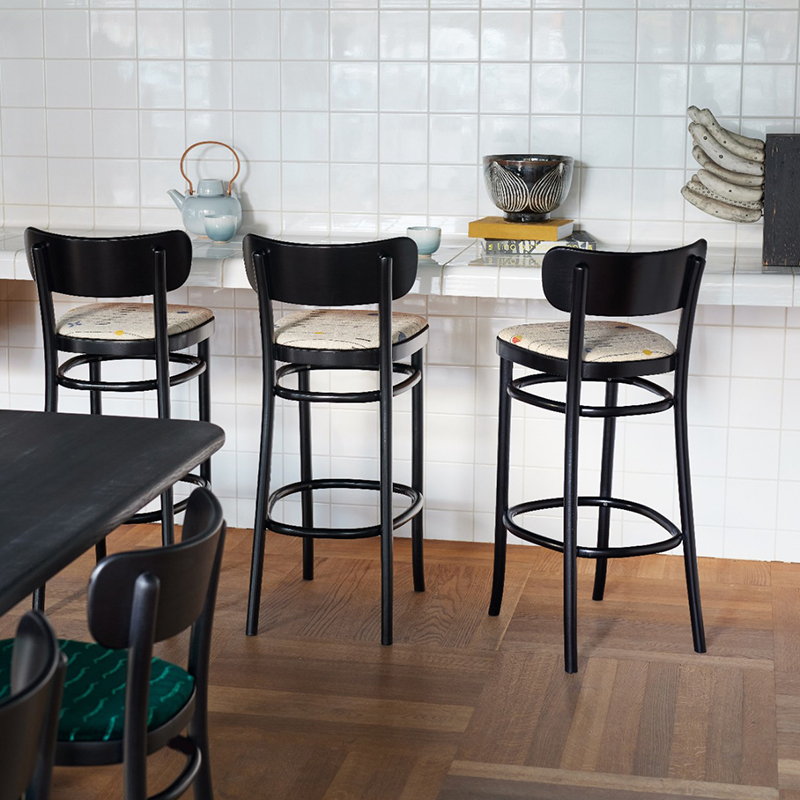
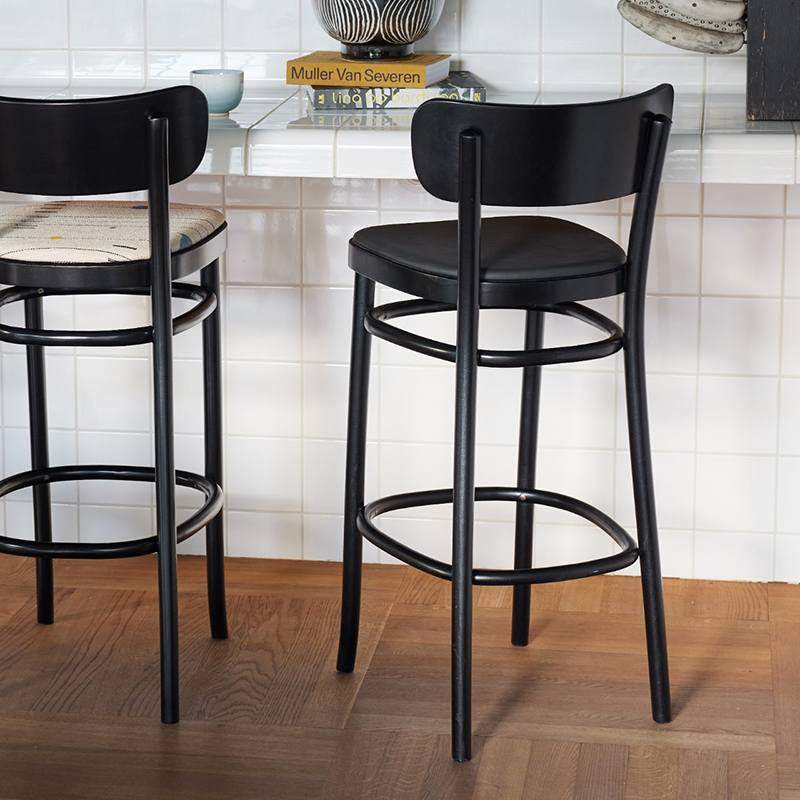
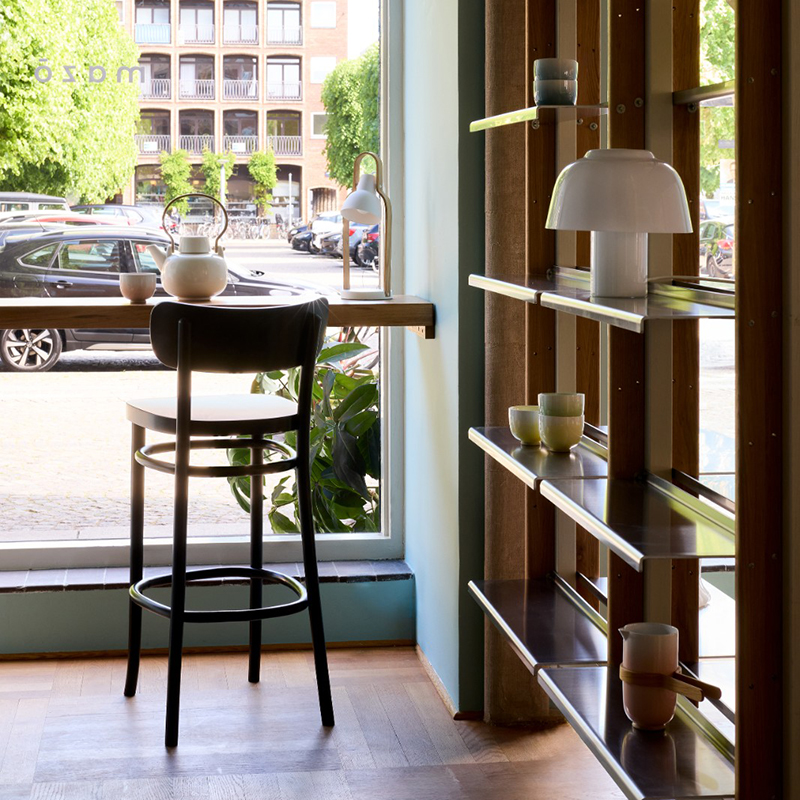
Crafted from steam-bent beechwood, the MZO Bar Stool features a gently curved backrest, sculpted seat and slender frame. Its understated silhouette balances comfort with visual lightness, making it equally suited to residential kitchens, hospitality interiors and contemporary commercial spaces. Available in a selection of stained and coloured finishes, with optional upholstery for added comfort.

Availabilty : Made to order. 18 weeks

details

designer country of origin warranty
Magnus Læssøe Stephensen Denmark

dimensions

Width: 46 cm
Depth: 50 cm
Height: 102 cm
Seat Height: 75 cm

material

Steam-bent beechwood frame and seat.

Available finishes:
Black Stained Beech
Amber Stained Beech
Royal Blue (RAL 5002)

returns

We do not offer a satisfaction guarantee. Please select your products carefully.

If a product is faulty it will be replaced by an identical product. Please refer to individual manufacturers for warranty periods.

For more information please download our terms and conditions

Magnus Læssøe Stephensen

It was not meant as a compliment when old cabinetmakers called the young architect Magnus Læssøe Stephensen “a revolutionary”. But in a sense they were right. His curating of the important Annual Guild Exhibition was one of the starting points of the “revolution”, which later came to be known as the Golden Age of Danish Design. As curator, Magnus Læssøe Stephensen banned the usual bourgeois polished mahogany drawing room interior from the exhibition. Instead he demanded that the cabinetmaker should cooperate with architects to present a vision of an entire interior for a two bedroom flat, like those most ordinary people were moving into! Bang! 


A new democratic mind-set, suggesting that design was about improving people’s lives, and a mind-set that resulted in an unpretentious aesthetic, where function and respect for craftsmanship is central. This aesthetic has since become synonymous with Nordic design.